

 Analysis by Gamescozy
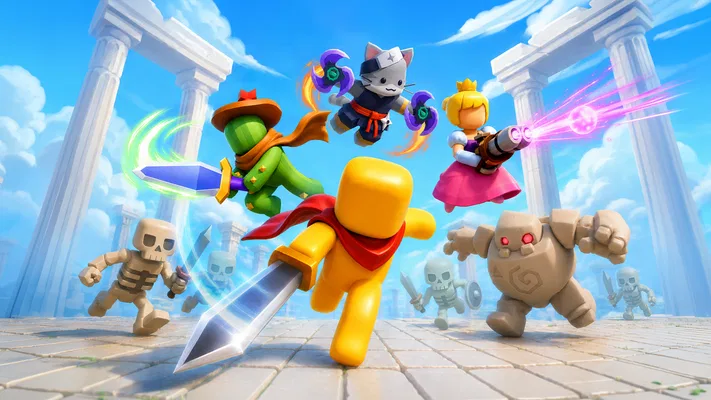
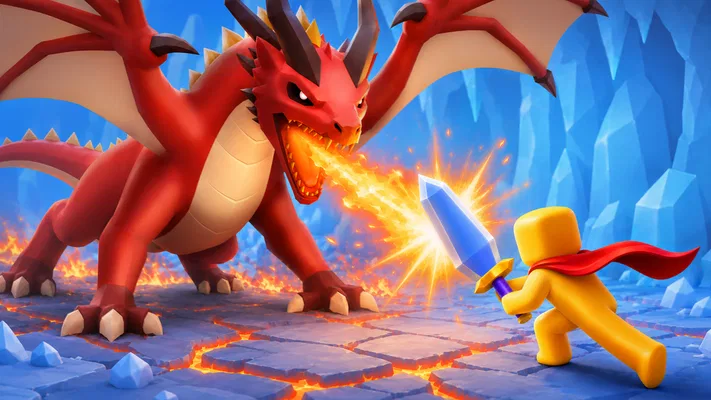
I look at XP Hero as a role-playing game for people who want to get into a battle quickly, make their character stronger, and see that progress pay off without committing to a long, story-heavy session. Its appeal is easy to understand: the adventure is built around fighting, gaining power, and taking on tougher challenges. That straightforward loop can be satisfying, especially when I have a few spare minutes and want an active game rather than another puzzle or idle timer.
My main reservation is that a simple premise does not automatically mean a simple experience. The enjoyment depends on whether the combat and progression keep feeling worthwhile after the initial novelty fades. XP Hero is best approached as a compact, accessible RPG, not as a substitute for a sprawling role-playing game with deep storytelling, elaborate party tactics, or a world to explore for hours.
What the quick-play format feels like
Published by Supercent, Inc., this free role-playing game has a 4.4 average from around 200,000 ratings, with roughly 4,400 written reviews and over 10 million installs. Those figures suggest that its direct, action-focused approach has found a broad audience. They are useful context, but they do not tell me whether the particular rhythm will suit someone who wants strategic combat or a strong narrative.
The game is framed around repeated battles and character growth. That makes its basic promise easy to grasp: take on a fight, build power, and continue the adventure. I like this kind of structure when I want a clear next step instead of a complicated menu of quests. It also makes the game approachable for someone who has not played many traditional RPGs.
The trade-off is that progress-focused games can make improvement feel more important than the moment-to-moment decisions. If you enjoy experimenting with detailed builds, carefully managing a party, or reading a lot of dialogue, the broad combat-and-growth premise may feel too light. I would choose a more systems-heavy RPG for a weekend play session; this one makes more sense as an easy game to dip into.
When speed matters more than a long session
The game’s format sounds suited to short sessions, but I would not promise that every launch or battle will feel instant on every device. Actual responsiveness can depend on the phone or tablet, available storage, background activity, and connection conditions where relevant. Rather than judging it by a precise loading-time expectation, I would think of it as a game whose simple objective is easier to pick up than a large, multi-layered RPG.
A practical routine is to open it when you have enough time to finish a battle and make a deliberate choice about whether to continue. That is more satisfying than starting during a moment when you may need to put your phone away immediately. Even in a straightforward game, interruptions can break the rhythm and make progression feel like a chore instead of a reward.
One useful way to keep short play sessions focused is to decide on a small goal before starting: complete a battle, check whether your character can be improved, or see how far your current strength carries you. This avoids spending a spare moment tapping through screens without a clear purpose. It is a personal workflow suggestion, not a claim that the game includes a particular mission tracker or session feature.
What happens when battles and progression pile up
Any action RPG can feel busier when combat effects, interface elements, and progression decisions arrive close together. I would pay attention to whether controls remain comfortable and readable during those moments, especially on a smaller screen. If the action becomes visually crowded or the pace feels tiring, a brief pause is often a better fix than pushing through a long run simply because the character is close to another upgrade.
There is also a pacing trade-off to watch for: power growth can make early progress feel gratifying, but repeated fights may lose their appeal if the challenge stops asking you to make meaningful choices. That is the point where I would reassess whether I am still enjoying the battles themselves. If the main pleasure is watching numbers climb, the loop may remain compelling; if you need every encounter to offer tactical variety, you may want something with more deliberate combat.
For heavier play, I would avoid assuming that a phone stays comfortable just because a game is easy to understand. Long sessions can bring ordinary device concerns such as heat, battery use, and reduced performance, which vary by hardware and what else is running. Taking a break and closing unused apps are sensible general steps, but they should not be mistaken for a guarantee that every device will run the game identically.
Reliability, interruptions, and getting back into the game
I cannot infer stability on every handset from the game’s popularity alone. A large audience is reassuring as a sign of reach, but it does not prove that crashes, slowdowns, or interruptions never happen. My sensible expectation would be to keep the game updated and avoid starting a longer session when the device is already struggling with low storage or several demanding apps in the background.
If an interruption occurs, the most useful question is whether the game returns you to a clear next step. That matters more in a progression game than it might in a one-off arcade round, because a player wants to know whether recent progress has been retained. I would not make an assumption about autosaving or recovery behavior without seeing it on the device being used, so anyone especially concerned about preserving a long session should test the experience in a short first visit.
For everyday use, that first visit can double as a low-risk check: launch the game, try a brief stretch of play, then leave and return later to see how comfortable the routine feels. Notice whether you can quickly understand what to do next and whether the interface remains manageable on your screen. This tells you more about personal fit than relying on a general claim that the game is “smooth.”
Device fit, age suitability, and spending choices
The listed minimum operating system is Android 7.0, and the content rating is Everyone 10+. That makes the game’s stated age guidance worth checking before handing a device to a younger player, even though the premise is accessible. Parents should also consider that the game is free to download but includes optional in-app purchases priced from $0.99 to $99.99 per item. If a child will play, I would review purchase controls on the device first rather than relying on the word “free” to settle the question.
Because the purchase range spans small and much larger items, I would treat spending as a separate decision from whether the core game is enjoyable. Try the free experience first and decide whether progress is satisfying at your own pace. Paying is not automatically the right answer to a difficult stretch; if the game starts to feel like work, taking a break or choosing another RPG is a better response than spending just to force the session forward.
The current version is 27.0.0, so I would check the app store for compatibility and update details before installing, particularly on an older device. The game was released on February 21, 2025, and remains free to start. I would still leave comfortable storage space and close background apps if the device is older or already busy. Those habits help with many games, but they do not guarantee a particular frame rate or battery life.
How it compares with other role-playing games
Compared with a conventional story-led RPG, XP Hero puts its clearest emphasis on combat and becoming stronger, rather than asking you to commit to a long narrative. Compared with an idle game, its framing is more explicitly about taking part in battles, so I would pick it when I want an active break rather than progress that happens mostly in the background. These are useful distinctions when deciding what to download, even if players will differ on how much depth they expect from each style.
If you usually enjoy action games but want character growth attached to the fighting, this could be a comfortable middle ground. If your favorite part of role-playing games is dialogue, world-building, cooperative play, or intricate equipment planning, I would look for a title known for those specific strengths instead. I would also skip it if you dislike repeated combat as the main route to advancement, since that is central to the game’s stated appeal.
For someone who is unsure, I suggest treating the first session as a test of the loop rather than a commitment to finish the adventure. Ask yourself whether the battles are enjoyable before the next power increase arrives, whether you understand what your progress is doing, and whether the game feels comfortable on your device. Those checks get to the heart of fit faster than chasing a high level or making an early purchase.
My verdict on speed and staying power
XP Hero is a reasonable pick for a player who wants a free, accessible RPG centered on battles and growth, and who prefers a clear activity over a large menu of story systems. Its 4.4 average and more than 10 million installs show that many players have tried it, while the Everyone 10+ rating and Android 7.0 minimum give practical starting points for families and device owners. I would not treat popularity as proof that it will suit every taste or run equally well everywhere.
My recommendation is conditional: try it if quick, combat-led progression sounds enjoyable, and be prepared to move on if repeated battles do not hold your attention. Keep an eye on optional purchases, test how it behaves on your own device, and take breaks during longer sessions. It is not the right choice for someone seeking a deep narrative or intricate tactical planning, but for a casual RPG player who wants a straightforward path from fight to improvement, it is an easy game to consider.